
Projects & Programmes Supported 2026-2027
-

Care and Release of Native Wildlife in FNQ
Far North Queensland is home to the UNESCO protected Wet Tropics World Heritage Area - famous for its extraordinarily diverse wildlife, including dozens of endemic species found nowhere else on this planet.
Far North Queensland Wildlife Rescue provides an essential service to this wildlife. They have over 160 members covering an area from Mission Beach, west to Mt Surprise and north to Weipa. They also maintain a Rescue Centre in Cairns which is staffed by volunteers.
Funds to purchase key veterinary products and small animal rescue kits. FNQ Wildlife Rescue $3500, October 2026
Learn more at https://www.fnqwildliferescue.org.au/
-

Citizen Science at Scale Across Tasmania
How do we develop a better understanding of our native animals location and behaviour at scale?
The Tasmanian Land Conservancy addresses this with WildTracker. This is a wildly successful tool for private landholders to upload, tag, and share camera trap images of Tasmania’s exceptional wildlife. These records contribute to important conservation science and a better understanding of how our natural environment is changing.
To date over 630 different sites are being monitored by nearly 500 citizen scientists. This has produced over 250,000 images of our native (and feral) animal populations.
Software development, The Tasmanian Land Conservancy. $5,000, October 2026
Learn more at https://www.wildtracker.com.au/
-
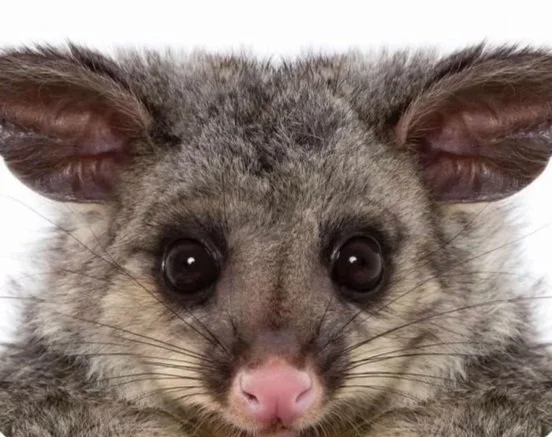
Native Wildlife Rescue and Rehabilitation
In urban areas native wildlife is prone to significant risks - from loss of habitat, cars, and domestic animals.
Fortunately volunteer groups play an essential role in rescuing, rehabilitating and releasing wildlife.
Sydney Wildlife Rescue is a rescue organisation that is active in the greater Sydney Metropolitan Area. In any given year well over 1400 animals and birds are in care, and the group performs over 3000 rescues a year. They are also involved in educating the community about native wildlife and its habitat.
Core funding, Sydney Wildlife Rescue. $1000 September 2026
Learn more at https://www.sydneywildlife.org.au/
-
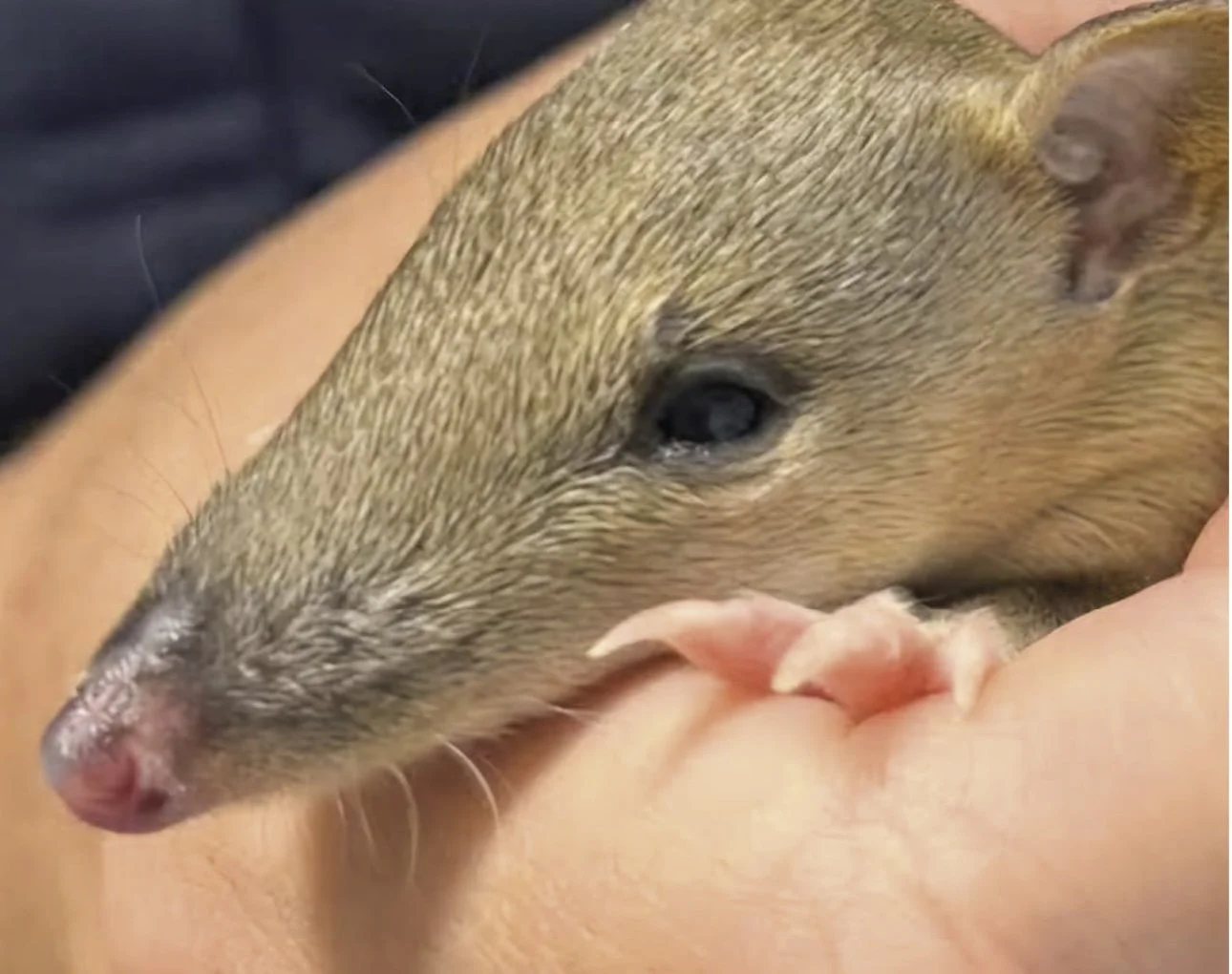
Rehabilitation and Release of Injured Native Fauna
In just 2 years a community group has provided rescue and care to hundreds of native wildlife. Now they have secured a special safe release site to help these animals regain their legs before full release.
The Rotary Club of Southeast Queensland Wildlife Rescue is Rotary’s first ever club dedicated to native animal rescue. It trains carers, conducts education programmes and provides native animal rescue and rehabilitation. In the first year of operation its call line answered over 1600 calls!
Core funding, Rotary Club of SEQ Wildlife Rescue. $2,000 September 2026
Learn more here.
-
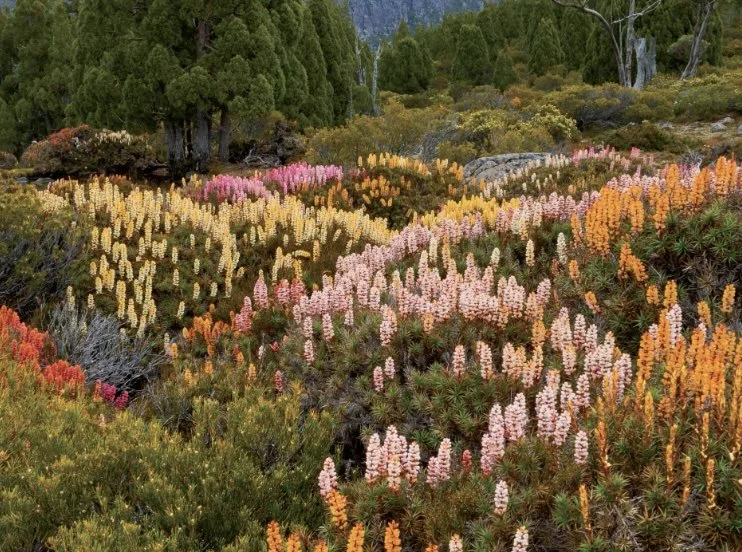
Advocacy for Invasive-Free Country
Australia, being an island, has functioned like an impenetrable fortress, immune to the incursion of invasive species for millennia.
However since the modern era, hundreds of invasive species have been brought here, and unfortunately many have escaped from captivity — or were intentionally released — and have since driven one of the worst extinction crises anywhere on Earth. Today, invasive species are the leading driver of Australia’s extinction crisis.
The Invasive Species Council has demonstrated success in advocating for, and building, collaborative biosecurity systems that reduce the threat of invasive species.
Core funding, Invasive Species Council of Australia. $4,000, September 2026
Learn more at https://invasives.org.au/
-
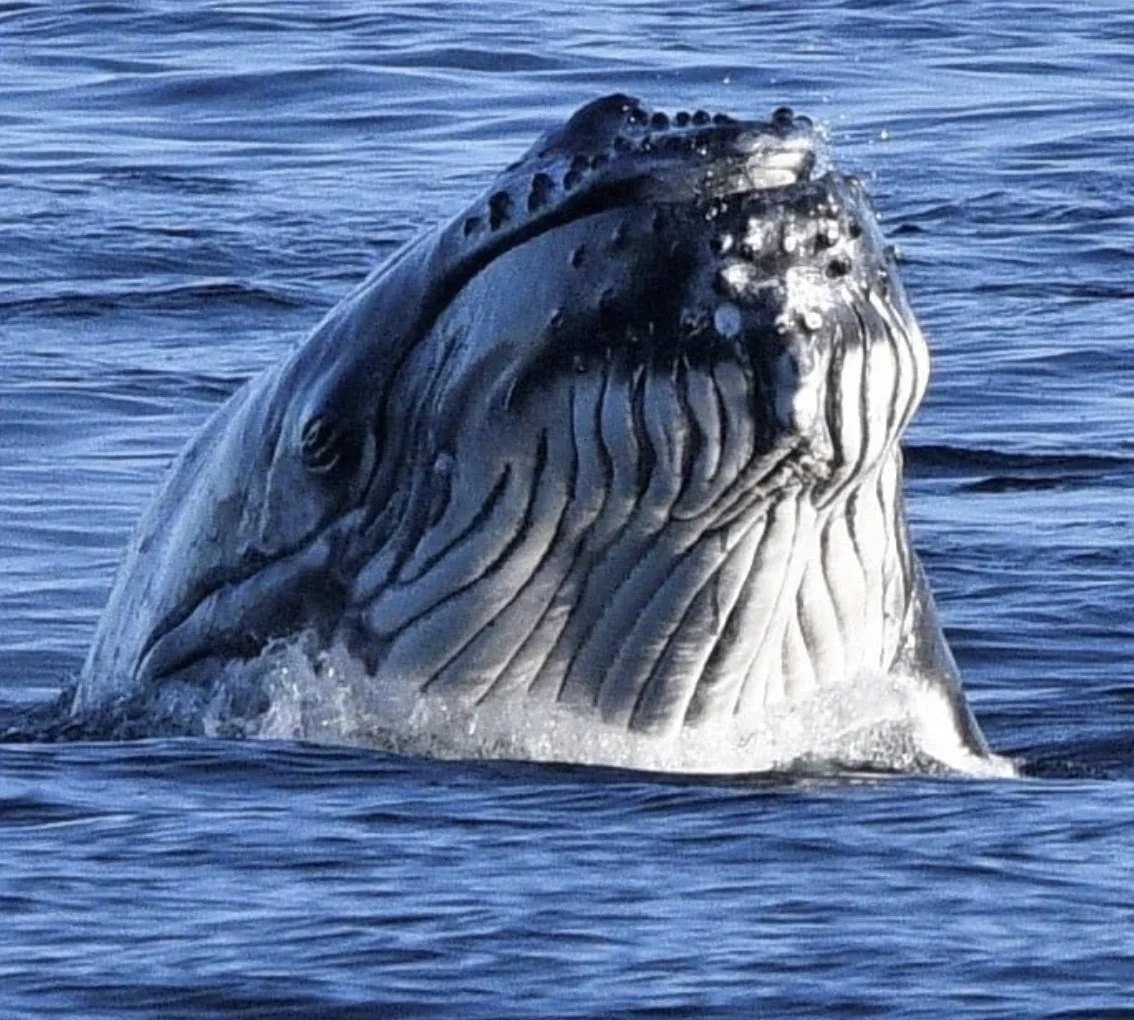
Training for Marine Rescue in New South Wales
Interactions between people and animals on our coasts are growing. Often these animals are in trouble - but the wrong help can cause greater distress.
ORCCA (the Organisation for the Rescue and Research of Cetaceans in Australia) has been operating for 37 years and has a proven approach to successful whale, dolphin, seal and dugong rescue.
ORCCA is 100% volunteer-led and is licensed for marine mammal rescue, rehabilitation and release. After a training pilot programme they are now expanding their volunteer recruitment with traditional owners and in areas where they have less geographic coverage.
Training funds, ORCCA. $2,000 August 2026
Learn more at https://www.orrca.org.au/
-

Environmental Capability Building in Far North Queensland
Environmental support rarely reaches far north Queensland. This is despite the many land-based environmental needs.
Cape York Weeds and Ferals seeks to address this. Their environmental work has a rich history, is awarded and directly supports ongoing traditional land owners management of healthy country.
They operate with 4 key strategies. Protecting and rehabilitating Cape York Peninsula’s unique biodiversity, mentoring and capacity building to residents , supporting landholders to develop and review pest and weed management plans and finally advocacy and educating the community about how to protect the environment.
Capability building , Cape York Weeds and Ferals. $4,000, August 2026.
Learn more at https://cywafa.com.au/
-
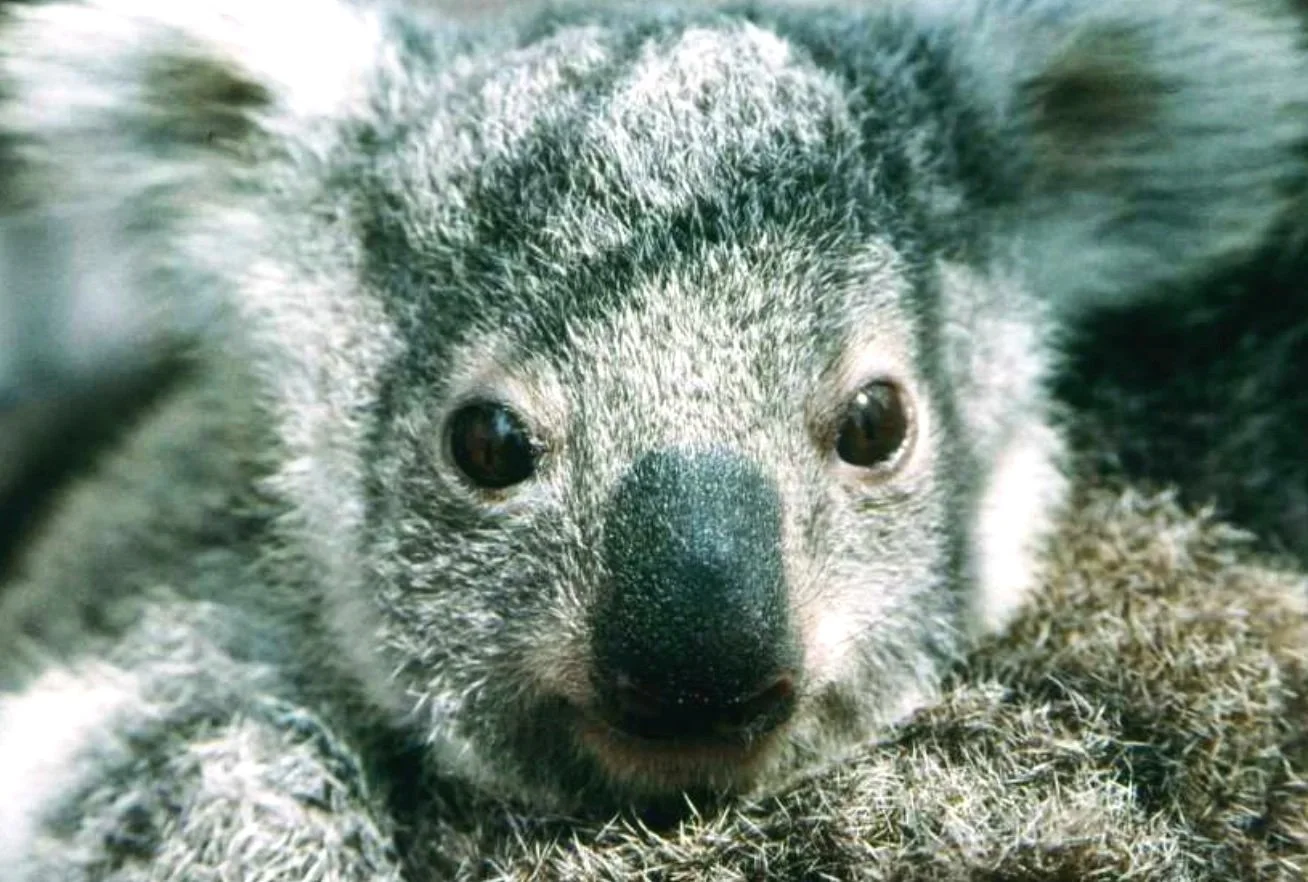
Rehabilitation and Release of Injured Native Fauna
How can a community respond when pressures increase on local wildlife?
Northern Rivers Wildlife Hospital is a community-owned, state-of-the-art, all-species wildlife hospital. They rescue, treat and rehabilitate sick, injured, and orphaned native animals across the Northern Rivers of NSW.
Treatment at the hospital is free for all animals, but they rely on government funding, grants, fundraising, and sponsorship to continue their work.
Core funding, Northern Rivers Wildlife Hospital. $2,000 July 2026
Learn more at https://nrwh.com.au/
-
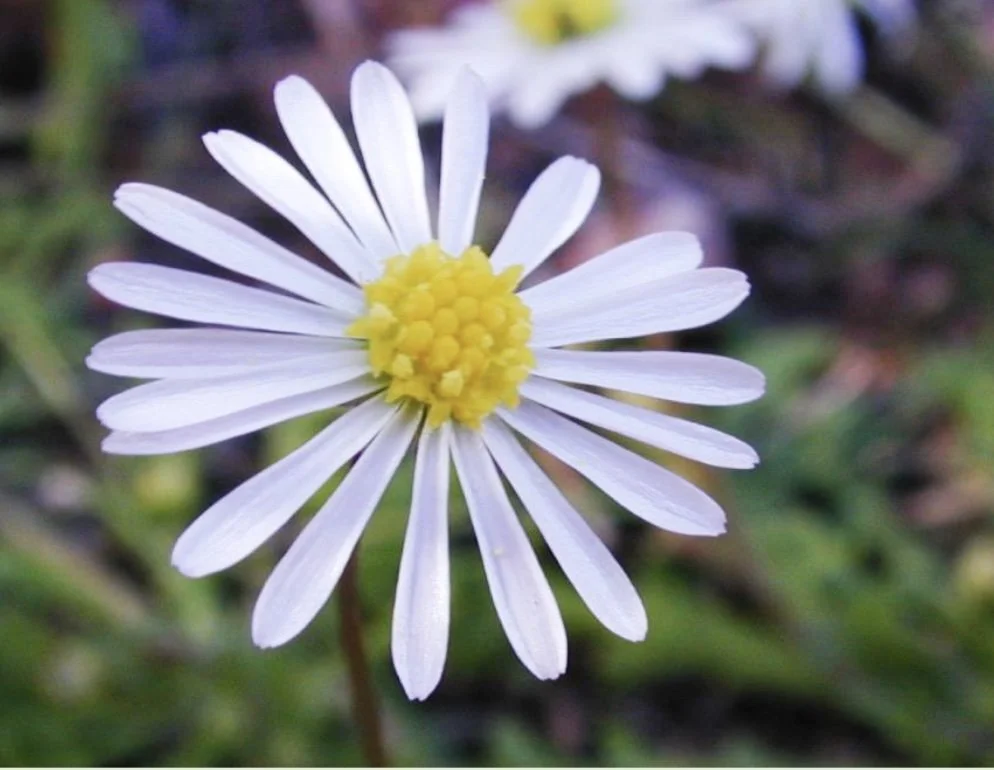
Safeguarding Key Australian Flora
How do your address the increasing pressures on Australia’s stunning flora?
The Australian Seed Bank Partnership has already been working on this problem for 15 years. Across Australia, a network of seed banks, botanic gardens and conservation organisations have been collecting, researching and safeguarding native seeds. These conservation collections hold more than 18,000 native species, including nearly 1,000 plants threatened with extinction.
These seed banks represent preventative conservation in action, creating opportunities for species and ecosystems to recover tomorrow.
Core funding, The Australian Seed Bank Partnership. $5,000, July 2026.
Learn more at https://www.seedpartnership.org.au/